
A toll road text scam can catch you off guard. You get a text saying you owe a small toll fee.
It may claim to be from E-ZPass, SunPass, or FasTrak. The message may warn you to pay now or face a late fee.
But the payment link could lead to a fake website built to steal your money and personal data.
The Federal Trade Commission (FTC) has warned about these fake toll messages. The FBI has also reported toll-related text scams across the US. These scams are known as smishing.
That means scammers use text messages to trick you into sharing private details, such as your credit card number or driver’s license information. FTC warning | FBI IC3 alert.
So, what should you do if you get one? Do not click the link or reply to the text.
Check your toll balance through the official website or app of your toll agency.
You can also report the message to your phone carrier and the right government agency.
This guide shows you how to spot a fake toll text, report it, and protect your money if you have already clicked the link.
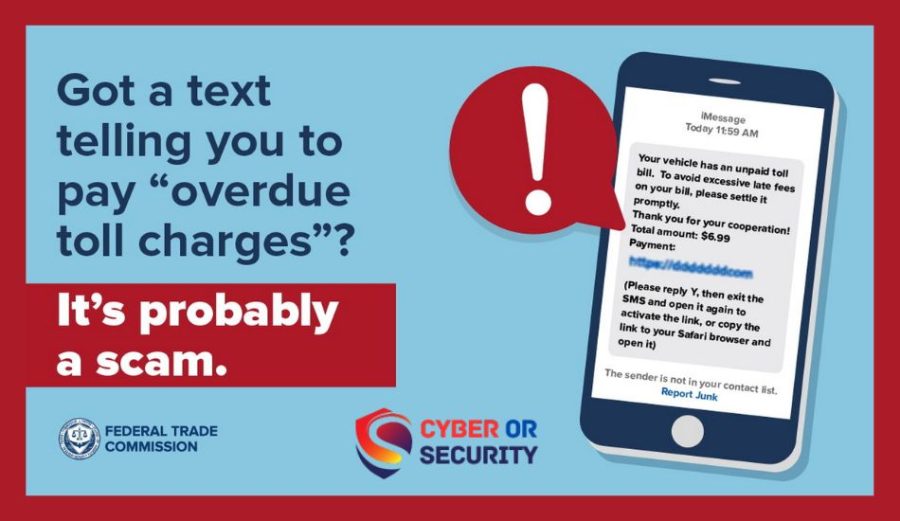
Is the Toll Text Scam Real?
Yes. The toll road text scam is real, and people across the US have received fake texts that claim they owe unpaid toll fees.
The Federal Trade Commission (FTC) warned about these messages in January 2025. In its 2024 Internet Crime Report, the FBI counted 59,271 complaints about toll text scams. The FBI’s Internet Crime Complaint Center (IC3) also said the scam seems to move from state to state. So it keeps coming back in waves.
Scammers may pretend to be from E-ZPass, SunPass, or another toll service. They may say you must pay a small fee right away. Some messages warn of extra charges if you do not act fast.
The goal is to make you worry and click the link without checking it. The link may open a fake payment page that steals your card details or personal data.
How can you stay safe? Do not click the link in an unexpected toll text. Open your toll agency’s official website or app to confirm if you actually owe money.
If you do not use toll roads, treat the message with care. Still, check with the real agency if you are unsure.
The FTC and FBI guidance confirms that the safest approach is to verify the fee through a trusted toll agency, not through the text message.
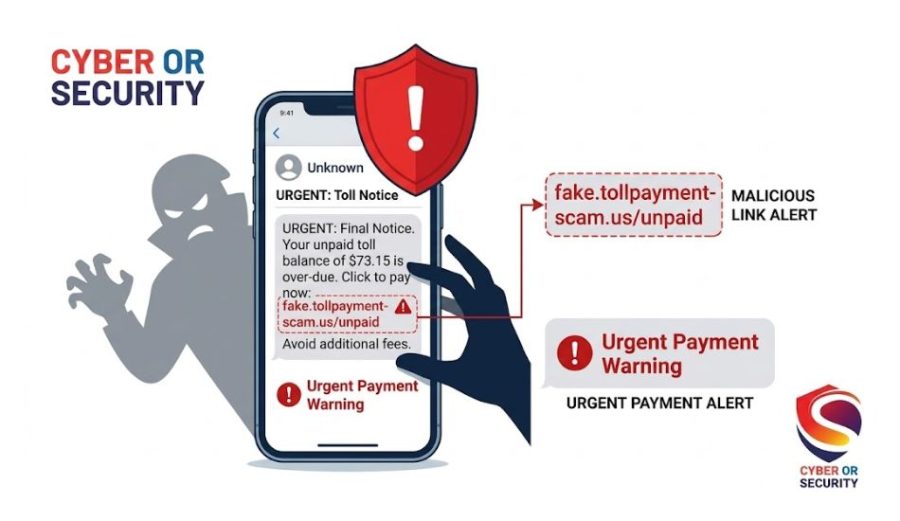
How the Toll Road Text Scam Works
A toll road text scam often starts with a text about an unpaid toll. The message may look like it came from E-ZPass, SunPass, or another toll agency. It may say you must pay a small fee to avoid late charges.
The text includes a link to a payment page. But the link may lead to a fake website made to look real. If you enter your credit card number, name, or other details, scammers may steal that information.
These messages use a trick called smishing. It means scammers use text messages to steal data or money. They often use urgent words like “Pay now” or “Final notice” to make you act fast.
Some scammers may also send more texts to get you to trust the fake site. Do not click the link or share your details. Check your toll balance through the official website or app of your toll agency instead.
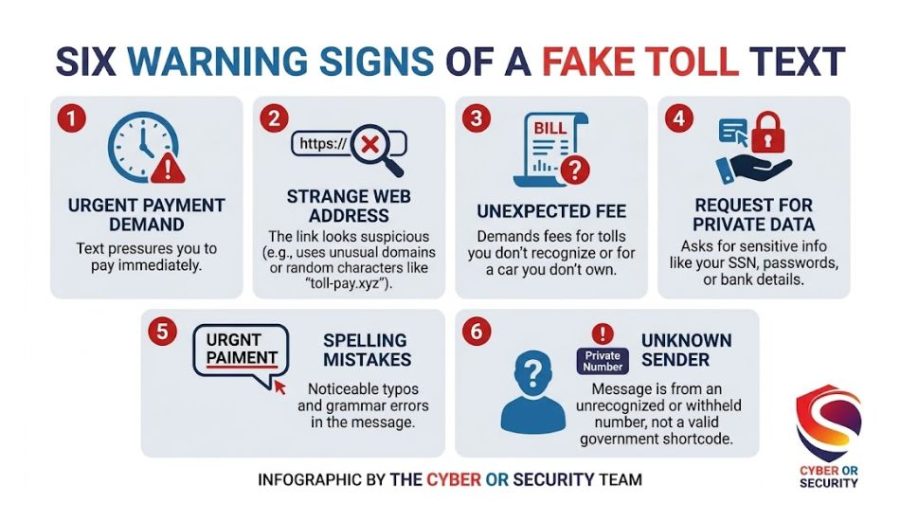
6 Signs of a Fake Toll Text
A fake toll text can look real at first. But a few warning signs can help you spot the scam before you lose money.
1. It Tells You to Pay Right Away
Scammers use fear to make you act fast. The text may threaten late fees, fines, or other trouble if you do not pay at once.
2. The Link Looks Strange
Check the web address before you trust a message. A fake link may use extra words, misspelled names, or an address that does not match the real toll agency.
3. You Did Not Use a Toll Road
If you have not driven on a toll road, an unexpected fee is a reason to be careful. Do not click the link to check it.
4. It Asks for Private Details
A fake payment page may ask for your credit card number, password, or other personal data.
5. The Message Has Odd Spelling
Look for poor grammar, strange wording, or a message that does not sound like the real agency.
6. It Comes From an Unknown Number
Scammers may use random phone numbers or change them often. A familiar name on your screen does not prove the text is real.
Remember: Even a well-written text can be fake. Do not use its link to pay. Check your toll balance through the official website or app instead.
Fake Toll Text Examples
These smishing examples are written by us, but they match the pattern that agencies describe. Real scam texts change all the time, so use these as a guide.
- Example 1: “Final notice. You have an unpaid toll of $6.99. Pay today to avoid a late fee. [link]”
- Example 2: “Your toll account is past due. A $50 fee will be added in 12 hours. Pay now. [link]”
- Example 3: “Your E-ZPass balance is low. Update your account now to avoid a ticket. [link]”
The third one is a typical E-ZPass scam text. E-ZPass is a real toll system used in many states. Scammers use its name because people know it. A text with that name on it does not make it real.
What to Do If You Get a Fake Toll Text
If you get a fake toll text, stay calm. You can protect your money and personal data by taking a few simple steps.
1. Do Not Click the Link: Do not open the payment link or reply to the message. The link may lead to a fake website that steals your card details or personal data.
2. Check Your Toll Account: Think you may owe a toll fee? Open your toll agency’s official website or app yourself. For example, check your E-ZPass account through its official service. Do not use the link in the text.
3. Do Not Share Private Details: Never enter your bank details, credit card number, or password on a website you reached through a suspicious text.
4. Report and Delete the Message: Forward the text to 7726 (SPAM) if your mobile carrier supports it. You can also report it to the Federal Trade Commission (FTC) at ReportFraud.ftc.gov. After reporting, block the sender and delete the message.
Remember: A real toll fee can be checked without using a text link. Always go straight to the official source.
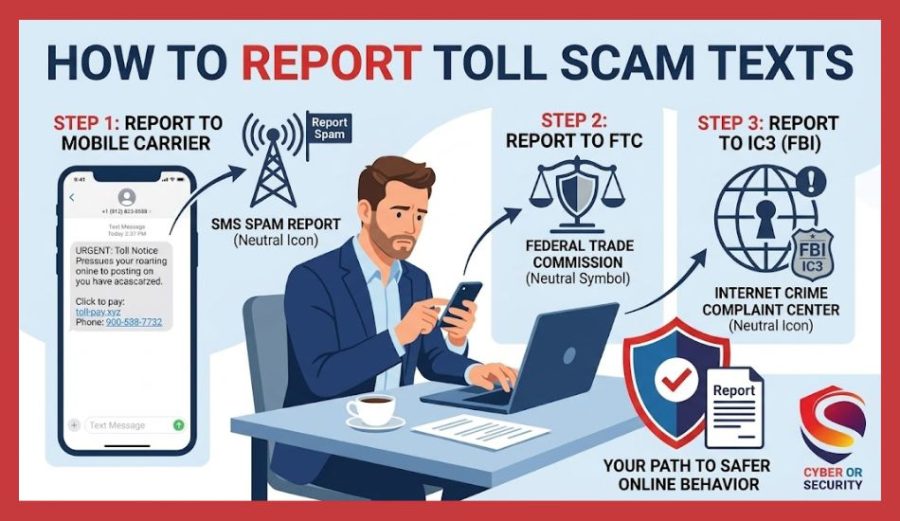
How to Report Toll Scam Texts
If you receive a fake toll text, reporting it can help protect other people from the same scam. You can report the message to your mobile carrier and US government agencies.
1. Forward the Text to 7726: Forward the suspicious text to 7726 (SPAM). Many US mobile carriers use this short code to review unwanted messages. Your carrier may ask you to share the sender’s number. Do not click the link or reply to the scammer.
2. Report It to the FTC: The Federal Trade Commission (FTC) collects reports about scams and fraud. Visit ReportFraud.ftc.gov to report the fake toll text. Include details about the message and what the sender asked you to do.
3. Report Cybercrime to FBI IC3: If you lost money or shared sensitive data, you can report the incident to the FBI’s Internet Crime Complaint Center (IC3) at www.ic3.gov. Share the facts you know, such as the payment amount, website link, and contact details.
Keep screenshots of the message if you can do so safely. Do not share more private data with the sender.
Important: If you shared card details, contact your bank or card provider right away. Reporting the scam is useful, but it does not replace steps to protect your account.
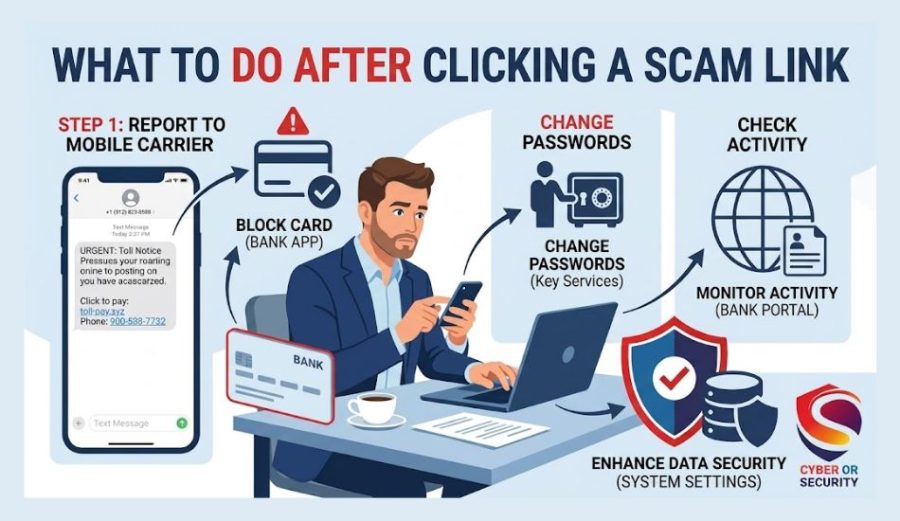
What If You Already Clicked or Paid?
If you clicked a link in a fake toll text, do not panic. You can still take steps to protect your money and personal data. Act quickly, especially if you entered payment details.
1. Contact Your Bank: If you shared your credit or debit card details, call your bank or card provider using its official phone number. Ask them to block the card if needed and check for unknown charges.
2. Change Your Passwords: If you entered a password on the fake website, change it at once. If you use the same password on other accounts, change it there too. Turn on two-factor authentication for extra protection.
3. Check Your Accounts: Look for strange payments, login alerts, or changes you did not make. Report any suspicious activity to your bank or service provider.
4. Protect Your Personal Data: If you shared your Social Security number, visit IdentityTheft.gov for steps to protect your identity.
5. Report the Scam: Report the message to the FTC and, if you lost money through online fraud, the FBI’s IC3.
Remember: If you only opened the link but entered no details, close the page. If you downloaded a file or installed an app, take extra care and check your device for security risks.
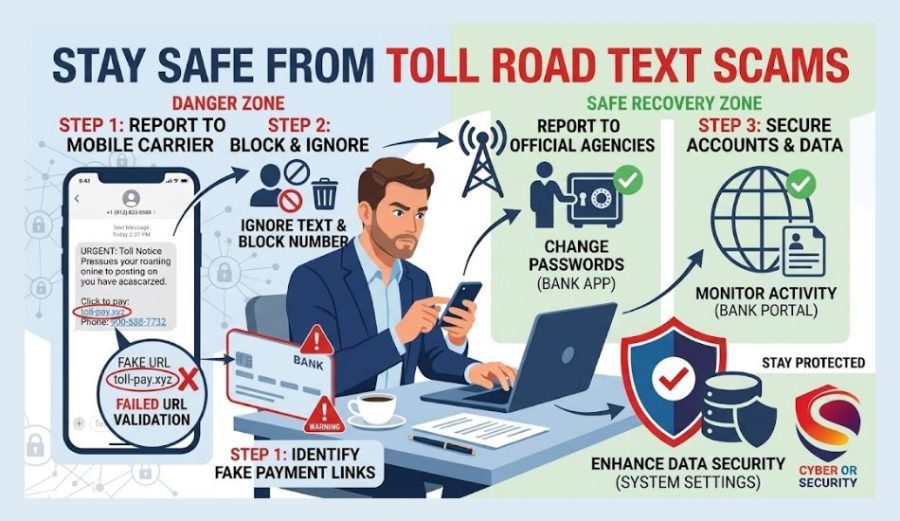
How to Protect Yourself From Future Toll Scams
You can lower your risk of toll text scams by following a few simple habits.
- Check before you pay. Visit your toll agency’s official website or app to check any fees.
- Avoid text links. Do not click links in unexpected messages about unpaid tolls.
- Protect your data. Never share your bank details or passwords on a website you do not trust.
- Keep your phone updated. Install security updates to help protect your device.
- Report suspicious texts. Forward scam messages to 7726 (SPAM) if your carrier supports it.
Scammers use fake toll texts, email scams, and other tricks to steal your data. Learn more in our guide to phishing protection tips to spot fake links and protect your online accounts.
Stay alert: When a message pressures you to pay fast, stop and check it first.
Conclusion: Stay Safe From Toll Road Text Scams
A toll road text scam can put your money and personal data at risk. Scammers may pretend to be from E-ZPass, SunPass, or another toll agency. They use fake payment links and urgent warnings to make you act fast.
The good news is that you can protect yourself. Do not click links in unexpected toll texts. Check any fee through your toll agency’s official website or app. If you receive a fake message, report it to 7726 (SPAM), the FTC, or the FBI’s IC3 when appropriate.
Already clicked the link or shared your details? Contact your bank if you shared payment information. Change any exposed passwords and check your accounts for strange activity.
Your safety starts with one simple habit: stop, check, and verify before you pay. A few careful steps can help keep your money and personal data safe.
Relevant article: Protecting Your Digital Identity: Why is Stay Safe Online (SSO) Important?
FAQs: Can a Fake Toll Text Steal Your Money? What You Need to Know
1. Is the E-ZPass scam text real?
Yes. Scammers send fake E-ZPass texts to trick people into paying false toll fees. They may use fake links to steal your card details. Check your balance through the official E-ZPass website instead.
2. How do I know if a toll text is fake?
Look for urgent payment demands, strange web addresses, and unexpected fees. A message may look real even when it is fake. Never trust a text just because it uses a toll agency’s name.
3. Do toll agencies send text messages?
Some toll agencies may send real alerts or payment notices. But scammers can copy their names. If you are unsure, contact the agency through its official website or app.
4. Where can I report a fake toll text?
5. What if I clicked a toll scam link?
Close the page and do not enter any details. If you shared card information, contact your bank right away. Change any password you entered on the fake site.