AI threat detection can help security teams spot suspicious activity, but it is only one part of modern cybersecurity. Have you ever wondered how companies stop hackers before they cause harm?
The answer is often another hacker. But this one has permission. This is called ethical hacking. In this guide, you will learn what it means, who does it, and how new tools like AI threat detection help keep us safe.
If you are new to security, you may still wonder what happens when a person tests a system for weaknesses. That is where ethical hacking comes in.
Ethical hacking means finding and testing security weaknesses with permission. A white hat hacker does this to help protect a company, website, network, or application. Instead of waiting for a real attacker to find a weakness, you learn how to find it first, understand the risk, and help fix it.
If you are starting from zero, you do not need to know every hacking tool or security term. You first need to understand the basics of ethical hacking, how security testing works, what vulnerabilities look like, why authorization matters, and how ethical hackers report what they find.
This guide will walk you through those basics in simple steps. You will also see where AI threat detection fits into the picture, what ethical hackers actually do, which skills you need, and how you can practice safely without crossing legal or ethical boundaries.
What Is Ethical Hacking?
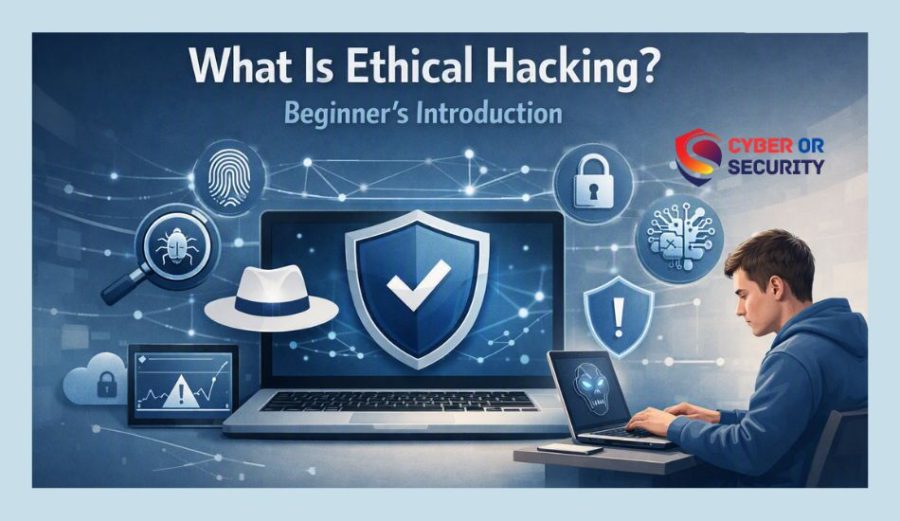
Ethical hacking is the legal process of finding security weaknesses in a system before a real attacker can use them. You test a website, network, application, or device with the owner’s permission. The goal is not to steal data or cause damage. Your goal is to find the problem, explain the risk, and help fix it.
Think of an ethical hacker as someone who checks the locks on a building before a thief does. You look for weak points, but you do it with permission and follow clear rules.
A white hat hacker is a security professional who performs this type of authorized testing. You may test passwords, login systems, software, network services, or web applications to see if they can be abused. You then document your findings so the owner can improve security.
Ethical hacking is part of cybersecurity and often includes penetration testing, vulnerability assessment, security testing, and risk assessment. These activities help organizations understand where their systems may be exposed.
The most important rule is simple: permission comes first. Even if you find a weakness by accident, that does not automatically permit you to exploit it. Ethical hacking must stay within the agreed scope and rules of the test.
For you as a beginner, this means ethical hacking is not simply about learning how to “hack.” It is about learning how systems work, understanding how attacks happen, finding weaknesses in a safe environment, and helping make those systems harder to attack.
How Does Ethical Hacking Work?
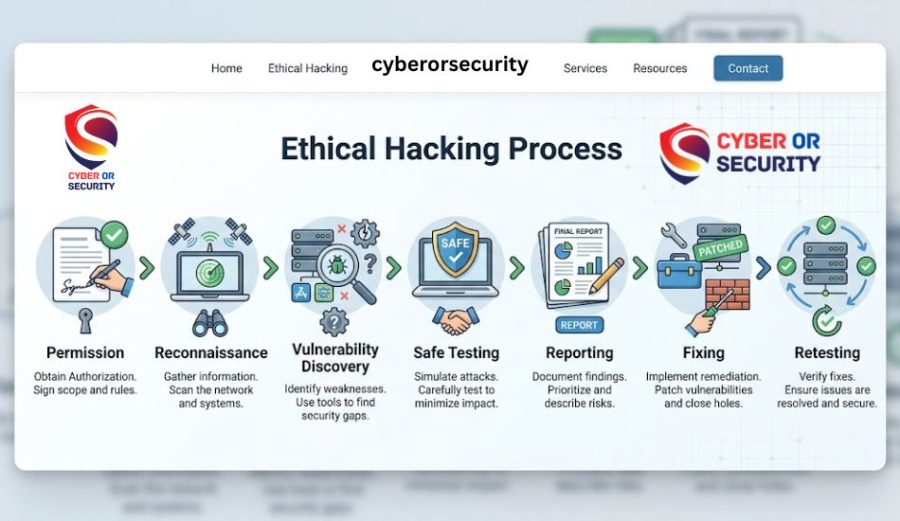
Ethical hacking usually follows a clear process. You do not start by randomly running hacking tools. First, you understand what you are allowed to test and what the owner wants you to check. Then you look for weaknesses, test them safely, and report what you find.
1. Get Permission
Before testing anything, you need clear permission from the system owner. The agreement should explain what you can test, when you can test it, and what actions are allowed. This step protects both you and the organization. Without permission, the same security test could become unauthorized access.
2. Learn About the Target
Next, you collect basic information about the approved target. You may identify the technologies, services, domains, or applications that are part of the test. This stage is often called reconnaissance. It helps you understand the system before looking for weaknesses.
3. Find Vulnerabilities
You then look for security problems. These may include weak authentication, outdated software, poor access controls, or unsafe application settings. Security tools can help you find possible issues, but a tool result is not always proof of a real vulnerability. You still need to understand and verify the finding.
4. Test the Risk Safely
If the rules allow it, you test whether a weakness can actually affect the system. The purpose is to prove the security risk without causing unnecessary damage or accessing data you should not see. This is where penetration testing can help. You use controlled tests to understand how a weakness could be abused.
5. Record What You Find
A good ethical hacker keeps clear notes. You record the vulnerability, affected system, risk level, evidence, and steps needed to fix it. A simple report is often more useful than a long list of technical terms. The system owner needs to know what is wrong, why it matters, and what to do next.
6. Fix and Retest
After the organization fixes the problem, you can test again if the engagement includes retesting. This confirms whether the weakness has actually been removed. This process shows why ethical hacking is more than finding flaws. You are helping turn a security weakness into a security improvement.
What Does a White Hat Hacker Do?
A white hat hacker uses hacking skills to help protect systems. You may think of this person as an authorized security tester. Instead of attacking a system for personal gain, you test it with permission and report the weaknesses you find.
Your work can involve websites, networks, web applications, cloud systems, or other approved targets. The exact work depends on the security test and its scope.
Find Security Weaknesses
A white hat hacker looks for problems that could give an attacker an unwanted advantage. For example, you may find weak authentication, poor access controls, outdated software, or an unsafe configuration.
The goal is to understand the weakness before a real attacker discovers it.
Test Security Controls
Finding a possible vulnerability is only the first step. You may need to test whether the weakness can actually affect the system.
For example, a login system may appear secure, but testing could reveal a problem with how it handles authentication or user permissions.
Protect Sensitive Data
A responsible hacker avoids unnecessary access to private information. If sensitive data appears during an authorized test, you follow the rules of the engagement and protect that information.
This is an important part of professional ethical hacking. Your job is to improve security, not create another security problem.
Write a Security Report
After testing, you explain your findings in a report. A useful report can show:
- What vulnerability you found
- Where it exists
- Why it matters
- How serious the risk is
- How the organization can fix it
- Whether the issue was fixed after retesting
You do not need to fill the report with complex words. A clear explanation helps developers, system owners, and security teams understand what needs to change.
Follow the Rules for AI Threat Detection
A white hat hacker always works within an agreed scope. If a system is not included in the test, you do not test it just because you can reach it.
This is one of the biggest differences between ethical hacking and malicious hacking. Your technical skill matters, but knowing where to stop matters just as much.
As you learn ethical hacking, focus on both sides of the skill: learn how vulnerabilities work and learn how to use that knowledge responsibly.
Ethical Hacking vs Black Hat and Gray Hat Hacking
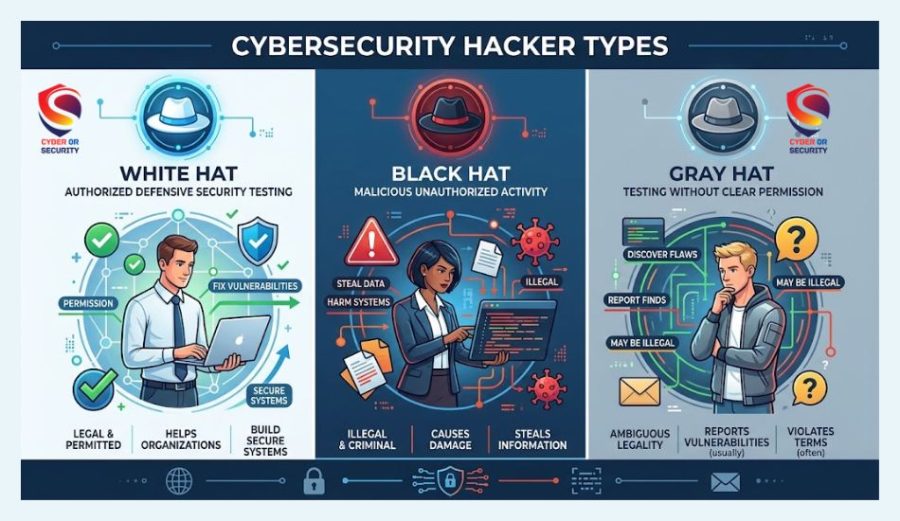
When you first learn hacking, the terms white hat, black hat, and gray hat can be confusing. The main difference is not the hacking tool. AI Threat Detection is about permission, purpose, and what the person does with the access or information they find.
White Hat Hacker for AI Threat Detection
A white hat hacker has permission to test a system. You work within an agreed scope and report security weaknesses to the owner.
For example, a company may ask you to test its website for vulnerabilities. You find a problem, document it, and explain how the company can fix it.
The purpose is defensive security.
Black Hat Hacker with AI Threat Detection
A black hat hacker breaks into systems without permission. The goal may be to steal information, damage systems, spread malware, commit fraud, or gain money.
This activity is illegal and can cause serious harm to people and organizations.
Gray Hat Hacker for AI Threat Detection
A gray hat hacker falls somewhere between the two. A person may discover a security weakness without permission but may not have the same harmful goal as a black hat attacker.
Even without harmful intent, testing a system without permission can still create legal and security problems.
The Key Difference AI Threat Detection
| Type | Permission | Main purpose |
| White hat | Yes | Improve security |
| Black hat | No | Harm, steal, or gain unauthorized access |
| Gray hat | May not have permission | Often discovers weaknesses outside an agreed scope |
For you as a beginner, the safest path is clear: practice only on systems you own or platforms that permit you to test. Learning ethical hacking does not mean you can test any website you find online.
The same technical skill can have very different consequences depending on how you use it. That is why responsible behavior is a core part of becoming a white hat hacker.
What Types of Systems Can Ethical Hackers Test?
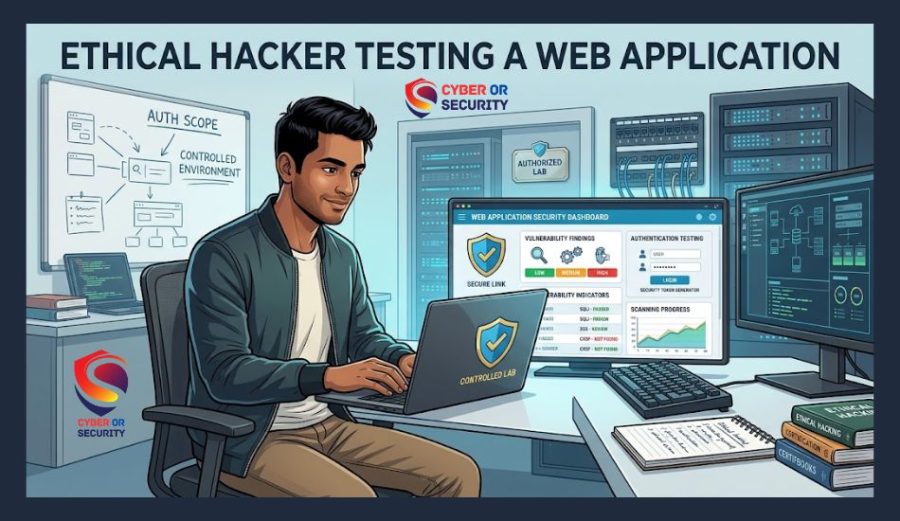
Ethical hackers can test many types of technology, but only when they have permission. The target depends on the security assessment and the scope agreed with the owner.
As a beginner, you may first work with simple labs and practice environments. Later, you may see how the same security ideas apply to real business systems.
1. Websites
Websites can contain security weaknesses in login pages, forms, user accounts, or server settings. Ethical hackers check whether these parts are properly protected.
For example, you may test whether a user can access information that should belong to another account.
2. Web Applications
A web application does more than display pages. It may handle payments, customer data, file uploads, accounts, and other sensitive tasks.
Ethical hackers test areas such as authentication, authorization, input handling, and session management to find possible weaknesses.
3. Networks
A company network connects computers, servers, printers, and other devices. If one part is poorly protected, it may increase the risk to other systems.
Network security testing can help identify exposed services, weak configurations, and other security problems.
4. APIs: AI Threat Detection
An API allows different applications or services to communicate. Many modern websites and mobile apps depend on APIs to send and receive data. Ethical hackers can test whether an API properly checks users, permissions, and requests.
5. Cloud Systems
Organizations now use cloud platforms to store data and run applications. Security testing can help identify problems with access controls, configurations, storage, and permissions. Cloud testing requires extra care because the rules may depend on both the organization and the cloud provider.
6. Devices and Endpoints
Computers, phones, servers, and other connected devices can also become security targets. Testing may focus on software, configuration, authentication, or access controls.
7. Practice Environments
You do not need to test a real company system to learn ethical hacking. Safe training platforms and legal labs give you systems that are designed for practice.
This is the best starting point if you are new. You can make mistakes, study the results, and build your skills without putting someone else’s data or system at risk.
Whatever system you test, remember the basic rule: the technology may change, but permission does not.
What Are Ethical Hackers Looking For?
When you test a system, you are looking for weaknesses that could put users, data, or the system itself at risk. These weaknesses are often called vulnerabilities. You do not need to find every possible problem. Your job is to identify meaningful security risks within the approved testing scope and explain how they can be fixed.
1. Weak Passwords
Weak or reused passwords can make accounts easier to compromise. An ethical hacker may check whether an organization’s authentication controls properly protect user accounts. Good testing focuses on the security control rather than trying to access unrelated user data.
2. Broken Authentication
Authentication checks that you are really the person you claim to be. Problems in login systems can sometimes allow unwanted access.
A security test may check how the application handles login attempts, sessions, password changes, and other account functions.
3. Poor Access Controls
Authentication and authorization are not the same thing. Authentication asks, “Who are you?” Authorization asks, “What are you allowed to access?”
A user may be correctly logged in but still have access to information or features that should belong to another user. This can create a serious security risk.
4. Outdated Software
Old software may contain known vulnerabilities. Ethical hackers can help organizations identify outdated components so they can be patched or replaced. Keeping software updated is one of the basic ways to reduce attack risk.
5. Unsafe Configurations
A system can be running the right software and still be poorly configured. Examples include unnecessary services, overly broad permissions, or exposed settings. Configuration reviews can help reduce the number of ways an attacker might reach a sensitive system.
6. Web Application Vulnerabilities
Web applications can have problems with how they process user input, manage sessions, handle files, or control access. Ethical hackers study these weaknesses to understand whether they could affect the application’s confidentiality, integrity, or availability.
7. Exposed Services
A network service that is open to the internet may increase the attack surface. Ethical testing can help identify services that should be restricted, removed, or better protected.
The important idea is simple: you are not looking for problems just to prove that you can hack something. You are looking for weaknesses that matter, measuring the risk, and giving the owner a clear path to improve security.
What Is AI Threat Detection? What Does an Ethical Hacker Actually Do?
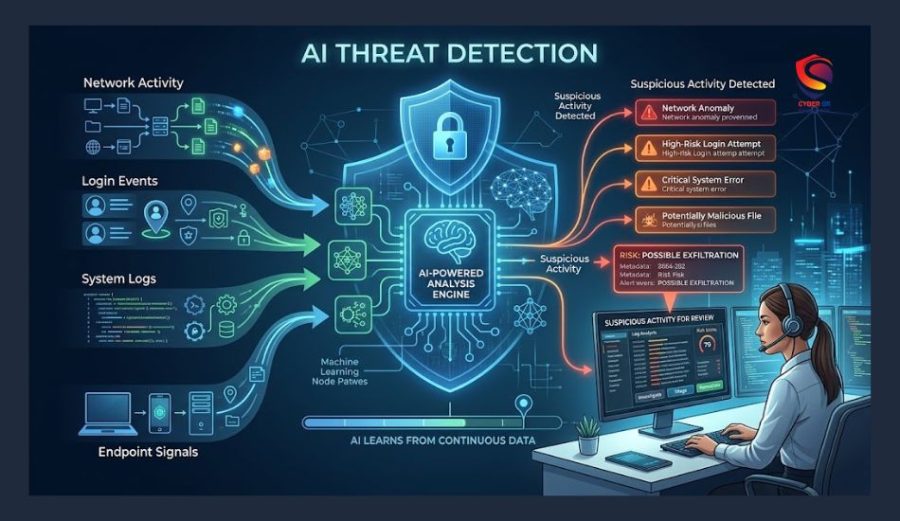
AI threat detection uses artificial intelligence to help security teams find signs of suspicious or harmful activity. Instead of checking every event by hand, an AI-based system can study large amounts of security data and look for patterns that may indicate a threat.
For example, a security system may notice an unusual login from a new location, a sudden change in account activity, or network behavior that does not match a user’s normal pattern. These signals can help a security team investigate a possible attack.
How Does AI Threat Detection Work?
AI threat detection can use data from different security sources, such as:
- Network traffic
- Login activity
- System logs
- Endpoint activity
- Cloud environments
- Security alerts
The system looks for patterns that may be linked to suspicious behavior. Depending on the technology, it may use machine learning, behavioral analysis, or other AI methods to help identify unusual activity.
How Is It Related to Ethical Hacking?
AI threat detection and ethical hacking have different jobs, but they can support each other.
An AI system can help you spot unusual activity faster. An ethical hacker can then examine the security controls and look for weaknesses that could explain or allow that activity.
For example, AI may flag an unusual login pattern. A security tester could review the application’s authentication and access controls to find out whether there is a real weakness.
This is why AI does not simply replace ethical hackers. AI can process large amounts of data quickly, while human testers bring context, judgment, and a deeper understanding of how a system works.
Can AI Detect Every Threat?
No. AI threat detection is not perfect. It can produce false alarms, miss unusual attacks, or make incorrect judgments when the available data is poor.
Human review is still important. Security teams need to understand why an alert appeared and decide what action is appropriate.
For you as a beginner, the main idea is easy to remember: AI threat detection helps find possible threats, while ethical hacking helps uncover and understand security weaknesses. Both can play an important role in modern cybersecurity.
Ethical Hacking Tools Beginners Should Know
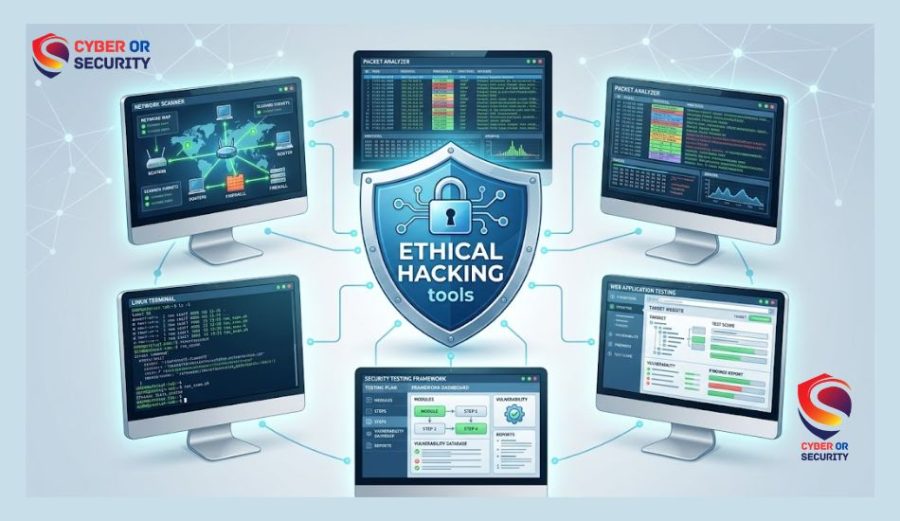
When you start ethical hacking, you will quickly encounter many security tools. You do not need to learn all of them at once. First, understand what a tool does and why you would use it. The tool itself is only one part of the skill.
1. Nmap: AI Threat Detection Tool
Nmap is a network scanning tool. Security professionals use it to discover hosts, services, and other information about an approved network.
For a beginner, Nmap is useful because it helps you understand how devices and network services appear from a security point of view.
2. Wireshark: AI Threat Detection
Wireshark lets you inspect network traffic. You can use it to study how data moves between systems and learn how different network protocols work.
It is especially useful when you are learning networking basics.
3. Burp Suite: AI Threat Detection
Burp Suite is widely used for testing web applications. It helps security testers examine how a browser and web server communicate.
You can use it in a legal practice lab to learn about requests, responses, sessions, authentication, and common web security problems.
4. Metasploit
Metasploit is a security testing framework that can help researchers validate known vulnerabilities in controlled environments.
It is a powerful tool, so beginners should use it only against systems they own or are explicitly allowed to test.
5. Kali Linux: AI Threat Detection Platform
Kali Linux is a Linux distribution designed for security testing and digital forensics. It includes many security tools in one environment.
You do not need Kali Linux to become an ethical hacker. Learning Linux itself is more important at the beginning because many security tools depend on basic Linux skills.
Security Tools Are Not the Skill
It is easy to think that ethical hacking means learning a long list of tools. That can lead you in the wrong direction.
A good security tester understands networking, operating systems, web applications, vulnerabilities, authentication, and risk. Tools help you apply that knowledge.
If a tool reports a possible vulnerability, you still need to understand what the result means. You also need to know whether the test was allowed and how to report the finding responsibly.
Start with the basics, practice in legal labs, and add tools as your knowledge grows. That approach will help you build real security skills instead of simply learning commands.
What Skills Do You Need to Learn Ethical Hacking?
You do not need to be a cybersecurity expert before you start learning ethical hacking. But you do need a few basic skills.
If you build these skills first, security tools and technical lessons become much easier to understand.
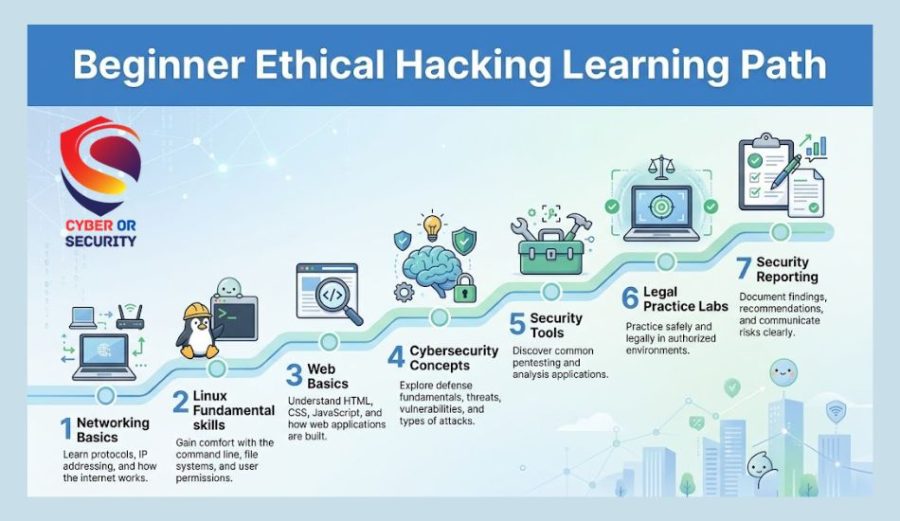
1. Networking
Start with basic networking. Learn what an IP address, port, protocol, DNS, HTTP, HTTPS, router, and firewall do.
You should understand how a device connects to another device and how data moves across a network. This knowledge helps you understand what security tools are showing you.
2. Linux
Linux is common in cybersecurity. Learn how to move around the command line, manage files, understand permissions, and run basic commands. You do not need to master Linux on day one. Start small and practice often.
3. Web Technology
If you want to test websites and web applications, learn how the web works. You should understand basic HTML, HTTP requests, cookies, sessions, browsers, servers, and APIs. You do not need to become a professional web developer, but you should know what happens when you open a website and send information to it.
4. Programming Basics
Programming can make ethical hacking much easier. You do not need to learn many languages at once. Start with one beginner-friendly language such as Python. Learn variables, conditions, loops, functions, and how to work with simple data. Later, you can use programming to automate repetitive security tasks and understand how applications work.
5. Security Concepts
Learn the basic ideas behind confidentiality, integrity, availability, authentication, authorization, encryption, vulnerabilities, threats, and risk. These concepts give meaning to the technical work. Without them, you may know how to run a tool but not understand why the result matters.
6. Problem Solving
Ethical hacking is also about asking good questions.
If you find something unusual, ask:
- What is happening?
- Why is it happening?
- Could it create a security risk?
- Who could be affected?
- Can the issue be fixed?
You may spend more time thinking about a problem than running a tool.
7. Report Writing
Technical findings are only useful when other people can understand them. Learn to explain a vulnerability in simple terms. A good report tells the reader what you found, why it matters, how serious it is, and what can be done about it.
A Simple Learning Path
If you are starting from zero, follow a basic order: Networking → Linux → Web basics → Security concepts → Security tools → Safe practice → Reporting
Do not rush through the first steps. Strong basics will help you understand ethical hacking much better than simply collecting tools or copying commands.
Is Ethical Hacking Legal?
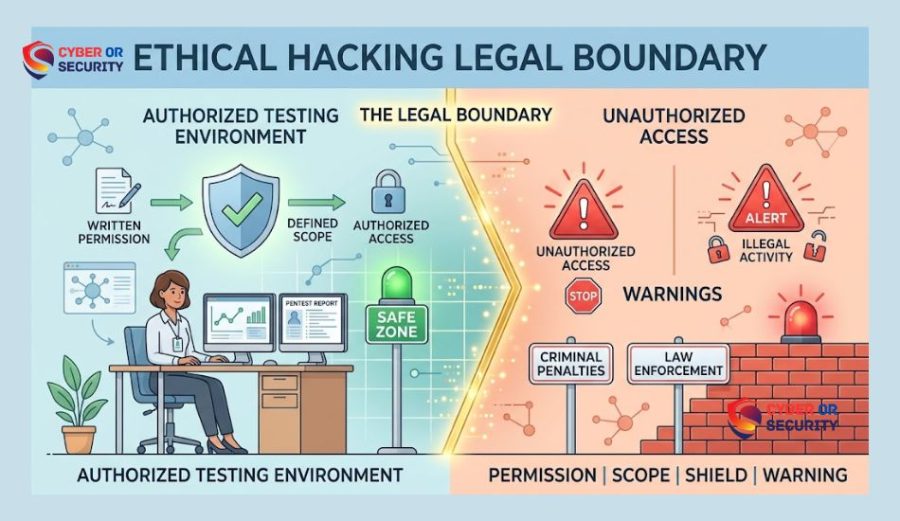
Yes, ethical hacking can be legal when you have clear permission to test the system and stay within the agreed scope. The same security test can become illegal if you perform it against a system without authorization.
This is one of the most important lessons for you as a beginner.
Permission Comes First
Before testing a website, network, application, or device, make sure you have permission from the owner. That permission should be clear about what you can test and what actions are allowed.
For example, a company may allow you to test one website but not its other systems. You must stay within that boundary.
Follow the Scope
A security test normally has a defined scope. It may include specific domains, IP addresses, applications, dates, or testing methods.
If something is outside the scope, do not test it just because you can access it.
Do Not Access Data You Do Not Need
During an authorized test, you may discover sensitive information. Your goal is to prove the security issue, not collect private data.
Use the minimum access needed to confirm the problem and follow the rules given by the system owner.
Responsible Disclosure
If you discover a vulnerability through an authorized program or approved process, follow the required reporting rules.
The organization may have a security contact, vulnerability disclosure policy, or bug bounty program that explains how to report the issue.
Practice in Safe Environments
You do not need to test real websites to learn ethical hacking. Beginner-friendly labs give you systems that are designed for security practice. This is a much safer way to learn tools, understand vulnerabilities, and make mistakes without affecting real users.
A Simple Rule to Remember: AI Threat Detection
If you do not have permission, do not test it.
Being curious about cybersecurity is good. But curiosity does not permit you to access someone else’s system. As you learn ethical hacking, make authorization part of every security decision you make.
How Can You Start Learning Ethical Hacking?
You can start learning ethical hacking without knowing advanced hacking techniques. The best approach is to build your knowledge step by step and practice only in legal environments.
1. Learn the Basics First
Start with networking, Linux, web technology, and basic cybersecurity. Learn how IP addresses, ports, HTTP, DNS, authentication, and permissions work. These topics may seem simple, but they form the base for almost everything you will learn later.
2. Learn How Common Vulnerabilities Work
Once you understand the basics, study common security weaknesses. Learn what causes a vulnerability, what risk it creates, and how developers can prevent it. Do not focus only on finding a flaw. Try to understand why the flaw exists.
3. Practice in Legal Labs
The safest way to build practical skills is to use a training environment made for security practice. TryHackMe offers guided cybersecurity rooms and learning paths where you can practice security concepts in controlled environments. You can start with beginner topics and gradually move toward more advanced areas as your skills improve.
4. Learn Security Tools
After you understand the basics, start using tools such as Nmap, Wireshark, Burp Suite, and other security tools. Do not try to memorize every command. Learn what each tool does, what its results mean, and when you should use it.
5. Build a Small Practice Routine
You do not need to study for many hours every day. A simple routine can work well. For example, you could spend one session learning a concept, another session practicing it in a legal lab, and then write down what you learned. This helps you remember the skill instead of simply moving through lessons.
6. Learn to Write Reports
Practice explaining what you find. Even a simple lab vulnerability can become a useful writing exercise.
Write down:
- What you found
- Why it matters
- What caused the weakness
- How it could be fixed
- What you learned from the test
This skill becomes valuable when you move from beginner labs toward real security work.
7. Keep Learning
Cybersecurity changes often. New software, vulnerabilities, attack methods, and defensive technologies appear over time. You do not need to know everything. Focus on building strong basics, practicing safely, and understanding the reason behind each security test.
If you follow that path, ethical hacking becomes much less confusing. You move from simply running tools to understanding how systems work, where they can fail, and how you can help make them safer.
Ethical Hacking and Privacy: How Does AI Threat Detection Work in Ethical Hacking?
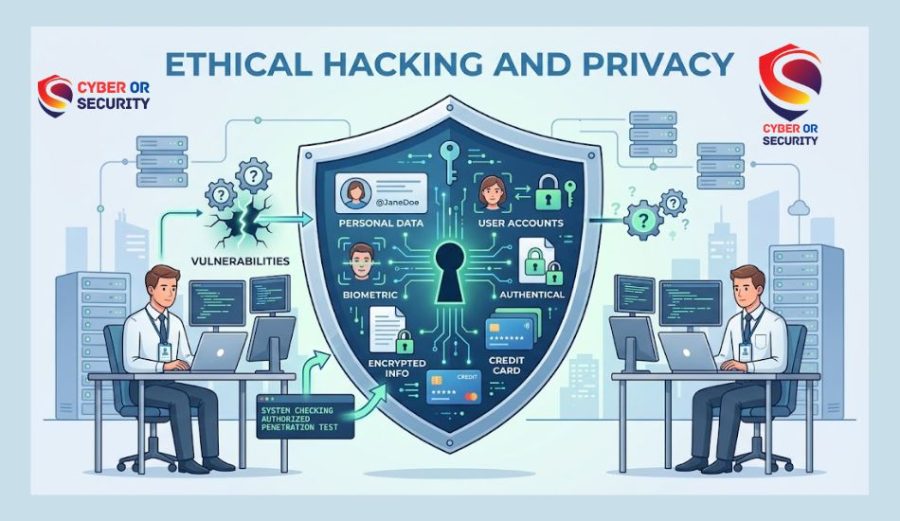
Ethical hacking and privacy are closely connected because a security weakness can sometimes expose personal information. When you test a system, you are not only checking whether an attacker could gain access. You are also thinking about what could happen to the data behind that access.
For example, weak access control could allow one user to see another user’s account information. A poorly protected application could expose email addresses, payment details, or other private data. Finding these weaknesses early can help an organization protect its users.
Why Privacy Matters in Security Testing
A responsible ethical hacker treats sensitive data with care. You should only access the information needed to confirm a security issue, and you should follow the rules of the authorized test.
This is especially important when testing systems that store:
- Personal information
- Account details
- Login data
- Customer records
- Financial information
- Private messages
The goal is to prove the security problem without creating a new privacy problem.
Ethical Hacking Can Help Protect Privacy
Security testing can reveal weaknesses in authentication, authorization, encryption, data storage, and application design. Fixing these weaknesses can reduce the chance of unauthorized access.
Your privacy and security are often linked. If an attacker can break into an account, they may also be able to access the personal information inside it.
You can learn more about protecting personal information in [Privacy pillar].
As you continue learning ethical hacking, remember that protecting data is part of protecting people. Good security testing does not stop at finding a vulnerability. It also considers the real impact that vulnerability could have on users.
Common Beginner Mistakes in Ethical Hacking
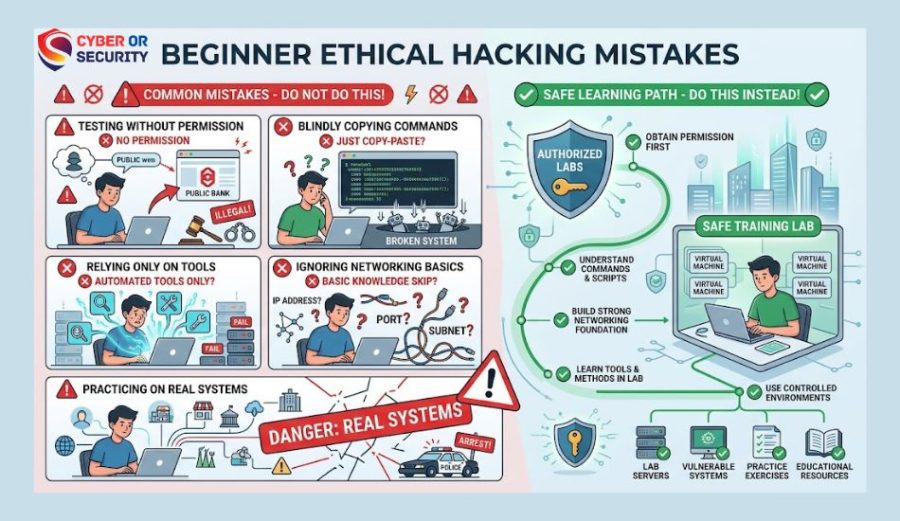
When you first learn ethical hacking, it is easy to focus too much on tools and forget the basics. You may also feel tempted to test a real website because you found an interesting weakness. Avoid these mistakes. They can slow your learning and may create serious legal problems.
1. Testing Without Permission
This is the biggest mistake to avoid. Finding a website with a possible vulnerability does not mean you have permission to test it. Practice only on systems you own or on platforms that clearly allow security testing.
2. Learning Tools Before the Basics
Tools such as Nmap and Burp Suite are useful, but they cannot replace basic knowledge. If you do not understand networks, HTTP, authentication, or permissions, tool results may not make much sense. Learn the concept first. Then use the tool to see that concept in practice.
3. Copying Commands Without Understanding Them
You may find security commands in tutorials, forums, or videos. Do not run them blindly. Ask yourself what the command does, what system it affects, and whether you are allowed to run it. Understanding the action is more valuable than memorizing the command.
4. Focusing Only on Finding Vulnerabilities
Finding a vulnerability is not the end of the job. You also need to understand the risk, explain the finding, and suggest a useful fix. A security professional should be able to communicate the problem clearly.
5. Ignoring Networking
Many beginners want to jump straight into web hacking. That can make later topics harder. Spend time learning how IP addresses, ports, DNS, HTTP, and network services work. These basics will make security testing easier to understand.
6. Using Real Systems for Practice
Real websites and applications contain real users and real data. They are not your practice playground unless the owner has permitted you. Use legal labs instead. You can learn the same core ideas without putting other people at risk.
7. Thinking AI Can Find Everything
AI threat detection can help security teams process large amounts of data and identify unusual behavior. But it is not perfect. It can miss threats or raise false alarms. Human judgment is still needed to understand the situation and decide what should happen next.
8. Forgetting to Document Your Work
Good notes help you understand what you did and what you learned. Record the security concept, your observations, the result, and the lesson you took from the exercise. Over time, these notes can become a useful learning record. The best beginner mindset is a simple way to learn the basics, practice legally, understand your tools, and think about the security impact of every action you take.
Conclusion: Is Ethical Hacking Legal? A Beginner’s Guide.
Ethical hacking is not about breaking into systems for fun. It is about finding security weaknesses with permission and helping fix them before a real attacker can cause harm.
As a beginner, you can start with the basics. Learn networking, Linux, web technology, authentication, vulnerabilities, and security tools. Then use legal practice labs to turn that knowledge into real skills.
You will also see where AI threat detection fits into modern cybersecurity. AI can help security teams spot unusual activity and process large amounts of data, while ethical hackers can test systems and understand weaknesses that automated systems may miss.
The most important lesson is simple: learn responsibly, practice legally, and understand why each security test matters.
You do not need to master everything at once. Start with one concept, practice it in a safe environment, and keep building from there. Over time, you can move from learning ethical hacking basics to developing the skills needed for real-world defensive security work.
Relevant article: What Is Ethical Hacking and How It Helps You Stay Safe from Cyber Attacks?
FAQs About Ethical Hacking AI Threat Detection
1. What is ethical hacking in simple words?
Ethical hacking means testing a computer system, website, network, or application with permission to find security weaknesses. You report the problems so the owner can fix them before criminals can use them.
2. What does a white hat hacker do?
A white hat hacker performs authorized security testing. They look for vulnerabilities, check security controls, document their findings, and help organizations improve their defenses.
3. Is ethical hacking legal?
Yes, ethical hacking can be legal when you have permission and follow the agreed testing scope. Testing a system without authorization can be illegal, even if you do not intend to cause harm.
4. Can beginners learn ethical hacking?
Yes. You can start with basic networking, Linux, web technology, and cybersecurity concepts. After that, you can practice in legal training labs and slowly learn security tools. You do not need advanced programming skills to begin.
5. Is ethical hacking the same as cybersecurity?
No. Cybersecurity is the wider field of protecting systems, networks, applications, devices, and data. Ethical hacking is one part of cybersecurity that focuses on finding and testing security weaknesses.
6. How does AI threat detection help cybersecurity?
AI threat detection can help security teams analyze large amounts of security data and identify unusual patterns. It can help flag possible threats faster, but it does not guarantee that every attack will be detected. Human security professionals still need to investigate alerts and understand the wider situation.
7. What tools do ethical hackers use?
Common tools include Nmap, Wireshark, Burp Suite, Metasploit, and Kali Linux. Each tool has a different purpose. You should learn the security concept behind a tool instead of trying to memorize commands.
8. Where can you safely practice ethical hacking?
You should practice on systems that you own or environments that clearly permit you to test. Training platforms such as TryHackMe provide controlled environments where beginners can build practical cybersecurity skills.
9. Do I need to know programming to become an ethical hacker?
Not at the start. Basic programming can become very useful as you progress, especially for automation and understanding applications. Python is a good language to learn alongside your cybersecurity studies.
10. What should I learn first in ethical hacking?
Start with networking, Linux, web basics, and core cybersecurity concepts. Then move into security tools and legal practice labs.